
Making Homes Age-Friendly: Designing for Senior Years
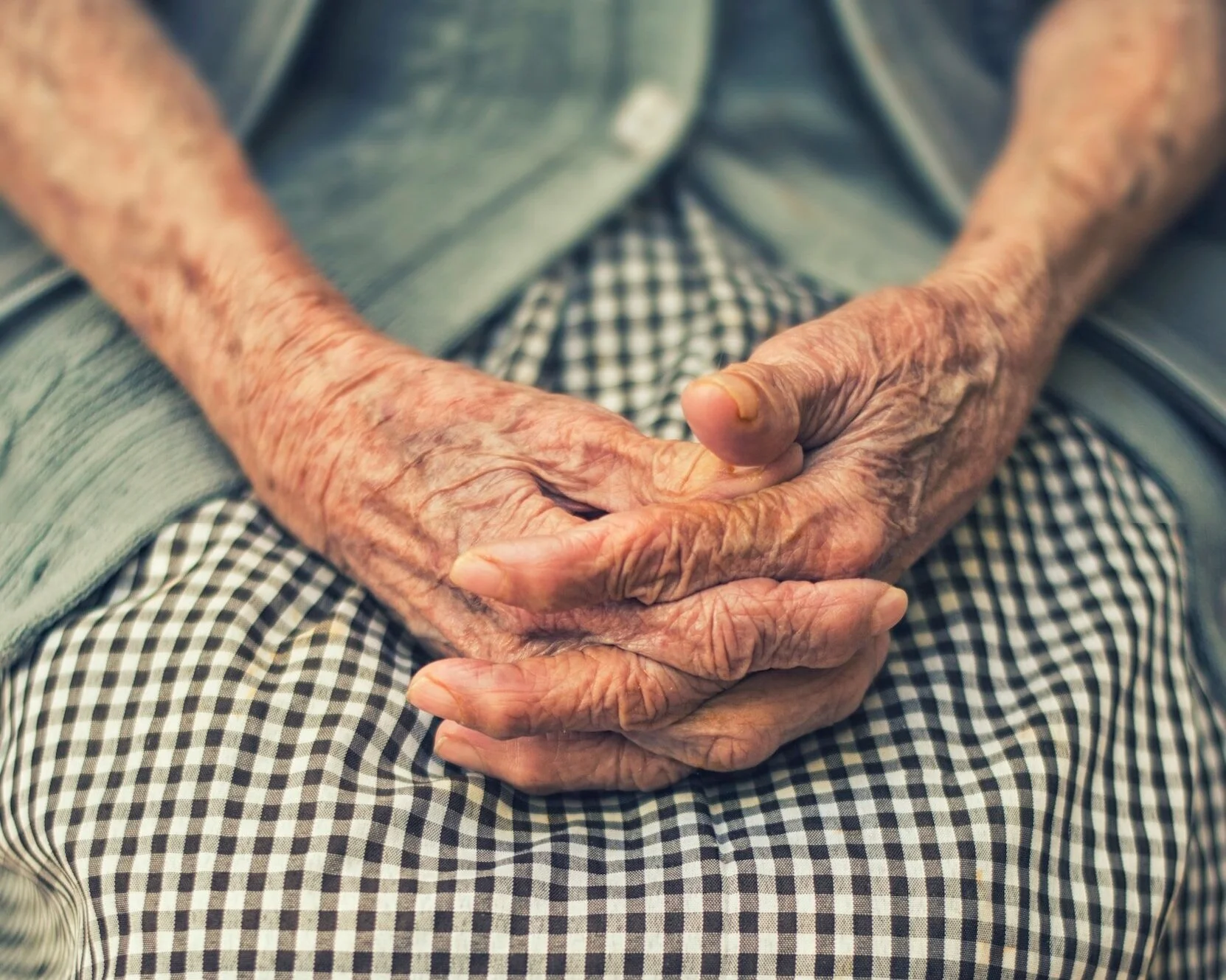
Aging is a natural process, and our homes should adapt to accommodate the changing needs of their residents. Designing houses that remain suitable for individuals as they age is a crucial consideration in today's world. This concept, known as aging in place, focuses on creating living spaces that promote safety, comfort, and accessibility for seniors. Let's delve into the key aspects and strategies involved in crafting residences that cater to the evolving needs of their occupants.
Understanding Aging in Place
As people age, their requirements for a comfortable living environment alter. Aging in place involves comprehending these changing needs and adapting home design accordingly. Factors like mobility limitations, vision or hearing impairments, and reduced strength become more prevalent. Creating a space that addresses these challenges is essential to ensure a high quality of life for seniors. The aspiration to age in place goes beyond mere growing older; it's about preserving independence within the cherished surroundings we call home.
Establishing Age-Friendly Environments
Aging in place starts with prioritizing mobility and safety within our living spaces. Homes should evolve to accommodate changing needs, integrating features that ensure ease of movement and minimize potential risks. Through thoughtful design, we transform living spaces into age-friendly environments that adapt to the evolving requirements of our golden years.
Adapting Without Compromising
Acknowledging the need for adaptability doesn't mean sacrificing the essence of home. At our architectural firm, we understand that making a room accessible doesn't equate to transforming your house into a clinical setting. Our collaborative approach ensures that the design aligns with your preferred residential setting, blending accessibility seamlessly into the aesthetics of your home.
The Journey of Aging in Place
Aging in place is a celebration of a life well-lived—a testament to embracing independence, community connections, and the comforts of home. Whether creating age-friendly environments or ensuring personalised support, the journey is unique for each individual. At YDA, we are committed to crafting spaces that not only meet your evolving needs but also reflect the warmth and familiarity of the place you call home.
Embracing the Holistic Approach of Aging in Place
Aging in place isn't merely about physical accommodations; it embodies emotional, social, and environmental considerations. It's about empowering individuals to maintain autonomy, dignity, and connections within their familiar environment. Our proactive approach involves integrating age-friendly elements into the home's design, ensuring a smooth transition into the later stages of life.
Psychological and Emotional Considerations
Beyond physical aspects, designing for aging in place also prioritizes the emotional and psychological well-being of seniors. Encouraging connections to the community, maximizing natural light, and crafting spaces that evoke positivity contribute to a holistic living experience. The sense of independence during potentially vulnerable periods is crucial in maintaining mental well-being.
Strategies for Facilitating Aging in Place
Functional spaces, technological integration, and landscaping considerations are pivotal in creating homes conducive to aging in place. Adaptable layouts, smart home devices, and outdoor areas designed for accessibility ensure seniors can continue enjoying their homes with ease and comfort.
Creating Age-Friendly Communities
As the population ages, fostering age-friendly communities becomes essential. It's about not only individual homes but also neighbourhoods and cities that cater to diverse needs. Accessible public spaces, transportation, and community initiatives for older adults contribute to a broader vision of age-friendly living environments.
Partnership in the Journey
YDA stands committed to partnering with homeowners on their aging-in-place journey. Understanding unique needs and aspirations, our collaborative approach crafts spaces that honour the essence of home while seamlessly integrating age-friendly elements.
Conclusion
Aging in place isn't merely a lifestyle choice; it's a celebration of independence, resilience, and continuity. It's about cherishing the familiar, embracing change with grace, and creating spaces that evolve with us through life's various stages. As we navigate the intricate tapestry of aging, let our homes be the comforting embrace that shelters, supports, and sustains us through the passage of time.